
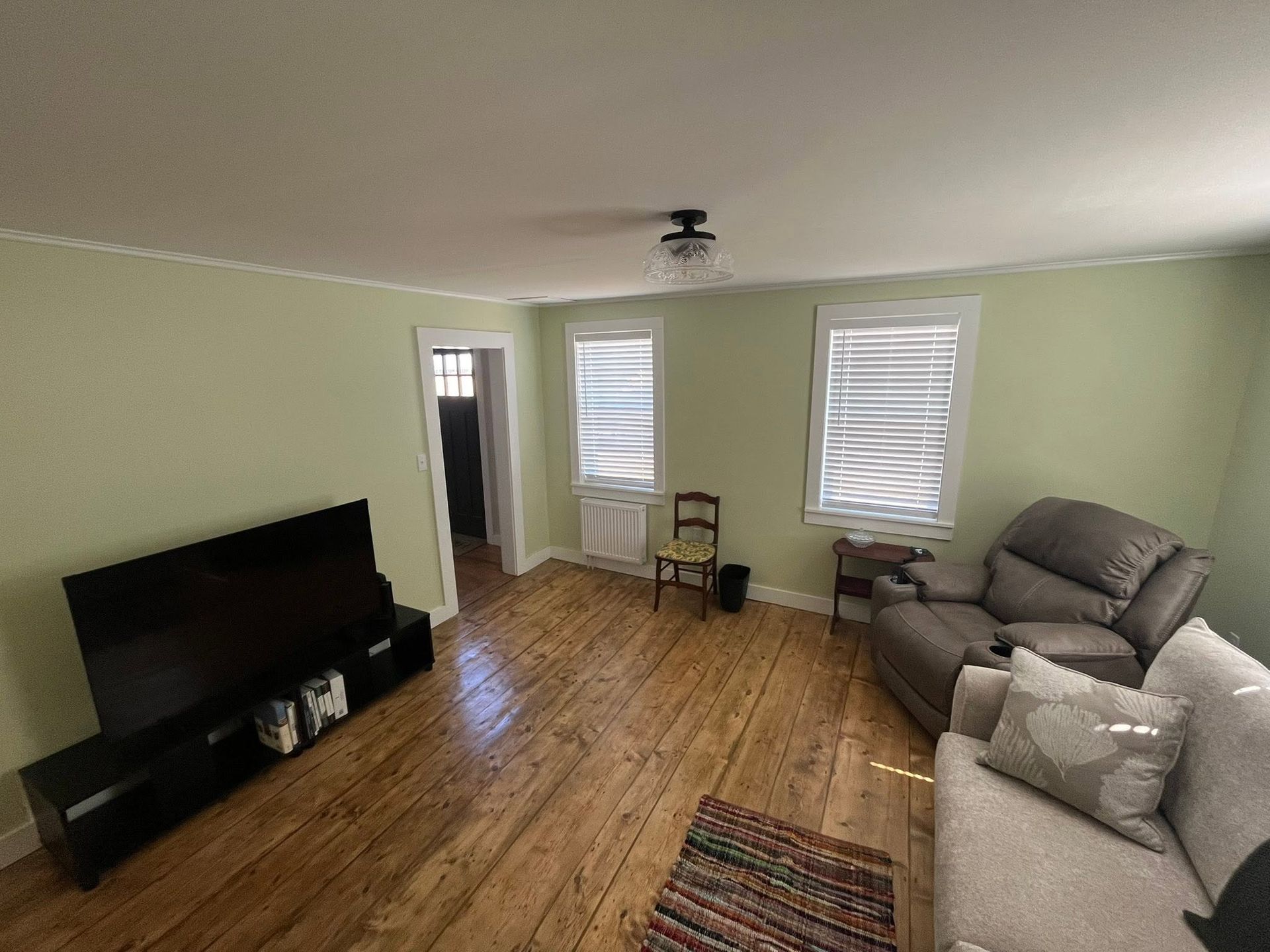
Trim Installed to Handle Humidity Fluctuations
Interior Trim & Decorative Moldings in Trescott Township for custom finishes requiring moisture-resistant materials and precise installation techniques
Crown molding, baseboard, and decorative trim installed in coastal Maine homes must account for humidity fluctuations that cause wood movement, requiring material selection and finish preparation that prevent seasonal gaps and paint failure. Over The Top Builder LLC installs custom interior trim throughout Trescott Township and neighboring communities, choosing wood species or MDF alternatives based on room moisture levels and coordinating with painter teams so that finish coats bond properly to prepared surfaces. The work involves precise measurement and cutting techniques that create tight joints at inside and outside corners, with installation methods that allow seasonal expansion without buckling or gap formation as interior humidity cycles through heating and cooling seasons.
Interior trim installation follows drywall completion and precedes final paint or stain application, with finish carpenters addressing wall irregularities through shimming and scribing rather than relying on caulk to fill gaps that indicate poor fit. Material choices consider whether trim will receive paint or natural finish, with paint-grade MDF offering stability advantages in high-humidity areas while stain-grade hardwoods provide appearance benefits where moisture control is consistent.
Request a trim consultation to review molding profiles, material options, and how installation details affect long-term finish appearance.
What Separates Quality Trim From Adequate Trim
Trim installation requires measuring each piece individually rather than assuming walls are uniform, cutting copes on inside corners instead of miters that separate as materials move, and selecting fastener lengths that secure trim to framing without splitting narrow profiles or leaving nail heads proud of the surface. The process includes back-priming MDF before installation to prevent moisture absorption from wall surfaces, sanding joints smooth before finish application, and coordinating nail placement so that putty locations align with areas that won't highlight imperfections under directional lighting.
Once installation is complete and finish coats are applied, joints remain tight through seasonal humidity changes, reveals around doors and windows maintain consistent width without tapering where trim follows irregular openings, and corner profiles align without vertical offsets that catch light and draw attention to installation flaws. Properly installed trim requires minimal caulk, with gaps small enough that paint or stain covers joints without visible filler lines.
Moisture-resistant installation also includes leaving appropriate expansion gaps where long trim runs meet at splices, using biscuits or splines at scarf joints to maintain alignment as materials move, and avoiding adhesive applications that prevent seasonal movement and cause buckling when humidity rises during summer months in coastal areas.
What Property Owners Usually Ask
Homeowners considering custom trim work in Trescott Township, Machias, Whiting, and surrounding areas typically have questions about material durability, finish options, and how installation methods affect appearance and maintenance requirements.
What trim materials resist moisture best in coastal homes?
MDF with moisture-resistant additives performs well in painted applications where humidity varies, while primed finger-jointed pine offers a balance between cost and stability for paint-grade trim, and clear hardwoods like poplar or maple suit stain-grade installations in climate-controlled spaces.
How does coping differ from mitering inside corners?
Coped joints cut the profile of one trim piece to fit against the face of another, maintaining tight contact even as materials expand or contract, while mitered corners create a gap as seasonal movement pulls joint faces apart.
Why do some trim installations show gaps after several months?
Wood trim installed before HVAC systems balance interior humidity may shrink as heating cycles reduce moisture content, while MDF installed without back-priming can swell when absorbing moisture from damp wall surfaces, both causing joints to separate or buckle.
What coordination is needed between trim installers and painters?
Finish carpenters typically install trim with minimal putty and caulk, allowing painters to fill fastener holes and apply caulk at final gaps just before finish coats, preventing multiple sanding and puttying cycles that delay completion and increase labor costs.
When should decorative molding be installed during construction?
Crown molding and baseboard installation follows drywall finishing and precedes final paint application, with trim secured to wall studs and ceiling joists rather than drywall alone to prevent sagging and maintain tight joints as materials settle.
Over The Top Builder LLC applies decades of residential finishing experience to trim installations throughout Trescott Township, managing material selection, precise cutting, and installation techniques that ensure long-term appearance. Call (207) 263-4202 to review trim options and scheduling for your interior finishing project.